When planning filming in China, one of the first strategic decisions international producers face is choosing between a single operator and a full service team. Understanding videographer vs production company China is not just about cost — it directly affects logistics execution, filming permits, equipment coordination, and communication efficiency across cities and departments.
China’s production environment operates differently from many Western markets. Language barriers, permit requirements, and regional workflows often require structured coordination beyond standard freelance arrangements. This guide breaks down the real-world differences, practical scenarios, and decision factors to help foreign productions select the right setup.
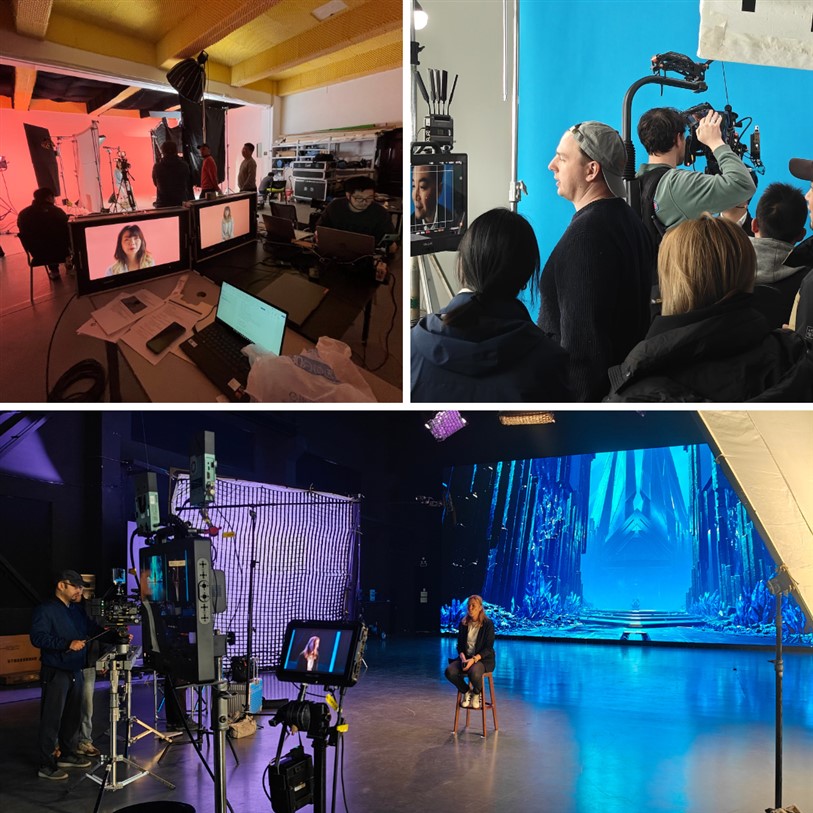
Understanding Videographer vs Production Company China in Real Production Conditions
The distinction between hiring a videographer and engaging a production company becomes more complex inside China’s production ecosystem.
A videographer typically refers to an individual operator who may provide camera operation and basic equipment. This setup works well for smaller documentary shoots, interviews, or straightforward corporate content.
A production company functions as a coordination layer. It manages scheduling, equipment rental China logistics, crew hiring, permits, and communication between foreign clients and local teams.
In Western markets, freelance videographers often operate with independent autonomy. In China, however, projects frequently require structured oversight because:
- Regional regulations differ significantly.
- Access to locations can involve layered approvals.
- Equipment sourcing depends on local networks.
- Language and workflow expectations vary.
Choosing between these approaches depends less on budget alone and more on production complexity.
When a Videographer Works — And When It Doesn’t
Hiring a standalone videographer can be efficient under specific conditions.
Typical scenarios where a single operator works well include:
- Interviews or testimonials filmed in controlled environments
- Small-scale corporate coverage
- One-city productions with minimal logistics
- Projects with limited equipment needs
However, productions often underestimate hidden challenges.
For example, sourcing a camera package China locally may require coordination with multiple vendors. Without bilingual production support, communication delays become common.
Cross-city production quickly increases complexity. Traveling between Shanghai, Shenzhen, and Chengdu involves regional crew differences, local permit considerations, and scheduling variables that go beyond a single operator’s scope.
Many foreign teams initially hire a videographer but later expand into a structured production model once logistical requirements emerge.
Videographer vs Production Company China: Workflow Differences You Should Expect
Understanding workflow structure helps clarify the real distinction between the two options.
A videographer generally operates within a defined technical role:
- Camera operation
- Basic lighting setup
- Limited coordination
- Direct communication with client
A production company introduces workflow layers designed to reduce risk:
- Production management and scheduling
- Bilingual crew coordination
- Equipment sourcing and testing
- Filming permits handling
- Location scouting
- Cross-city logistics planning
This structure becomes critical when working remotely. Many international producers supervise shoots from overseas. Clear workflow pipelines ensure that creative direction translates accurately into local execution.
China’s production timelines also tend to require faster adaptation. Having a structured team reduces delays caused by miscommunication or last-minute equipment issues.
Equipment Rental China and Technical Coordination
Equipment availability is rarely the main issue. Coordination is.
China has strong access to professional camera systems including ARRI, RED, and Sony setups. The challenge lies in securing the correct configuration within your timeline and budget while ensuring compatibility with your workflow.
A freelance videographer may provide a limited kit. If additional gear is required, sourcing becomes fragmented.
A coordinated production team manages:
- Camera package China planning
- Lens selection aligned with creative requirements
- Backup equipment strategies
- Local testing and QC
- Delivery and pickup logistics
International productions often assume that equipment rental China functions identically across regions. In practice, Shenzhen rental houses differ from Beijing or Chengdu vendors in inventory and operational processes.
Structured coordination minimizes downtime and unexpected costs.
Filming Permits, Compliance, and Administrative Reality
Filming permits represent one of the most misunderstood areas for foreign producers.
Small productions sometimes assume permits are unnecessary. However, commercial filming in China frequently requires approval depending on location, crew size, and equipment visibility.
A videographer alone may not handle:
- Local authority communication
- Public space approvals
- Drone authorization
- Site-specific safety procedures
Production logistics China workflows typically include pre-shoot planning stages to ensure compliance.
Permit complexity also varies by city. Shanghai may allow faster approvals for certain corporate shoots, while other regions require longer lead times.
Planning early reduces risk of location shutdowns or schedule disruptions.
Cross-City Production Challenges: Why Structure Matters
Many international projects involve filming across multiple Chinese cities.
While travel distances appear manageable, operational differences create hidden challenges:
- Crew availability varies by region.
- Equipment logistics require advance coordination.
- Language and dialect differences affect communication.
- Local working practices change between cities.
For example, scheduling filming in China across Guangzhou and Beijing may involve different production expectations and permit procedures.
A single videographer may manage a single-city shoot effectively but struggles when handling cross-city production without support.
A structured production partner ensures consistent workflow standards across locations.
Remote Collaboration and Bilingual Workflow
Foreign producers frequently direct projects remotely. Without bilingual coordination, creative instructions can become diluted or misunderstood.
A bilingual crew acts as a bridge between creative direction and technical execution.
This includes:
- Translating shot lists into local workflows
- Managing communication with local crews
- Aligning cultural expectations
- Providing real-time updates
Remote collaboration becomes significantly smoother when there is a clear production structure handling on-the-ground execution.
This is particularly important when timelines are tight or when brand requirements must be followed precisely.
Budget and Scheduling Realities in China Productions
Budget comparisons between videographers and production companies often appear straightforward at first glance. Freelancers typically present lower day rates.
However, hidden costs arise when:
- Equipment must be sourced separately.
- Permits require additional coordination.
- Communication delays create overtime expenses.
- Logistics planning happens too late.
Production structures often reduce overall risk and stabilize scheduling.
China productions frequently require rapid adjustments. Structured workflows allow teams to respond quickly without escalating costs.
Understanding the real cost structure helps producers avoid short-term savings that lead to long-term complications.
Videographer vs Production Company China: Choosing the Right Approach for Your Project
There is no single correct choice.
Instead, consider the following decision factors:
Choose a videographer when:
- The shoot is small and controlled.
- Equipment needs are minimal.
- Location access is straightforward.
- You have local support already.
Choose a structured production partner when:
- Filming permits or administrative coordination are required.
- Multiple cities or complex schedules are involved.
- You need equipment rental China coordination.
- Remote supervision requires bilingual workflow.
Many productions adopt a hybrid approach. A production team coordinates logistics while experienced operators execute filming.
Practical Production Execution with videographer.cn
Successful filming in China depends on preparation, communication, and logistics execution rather than team size alone.
videographer.cn focuses on providing structured production support for international teams navigating the local environment. This includes coordinating bilingual crew, equipment logistics, and cross-city production workflows while adapting to each project’s scale.
By aligning production planning with China-specific realities — from filming permits to regional coordination — foreign producers can maintain creative control while reducing operational risk.
Understanding the differences outlined in this videographer vs production company China guide allows producers to select the structure that best supports their timeline, budget, and creative goals.