Understanding videographer cost China is not as simple as asking for one day rate. For international producers, the final budget depends on the role, crew structure, equipment package, location, travel plan, permit needs, language support, and post-production workflow.
A solo videographer in Shanghai may quote differently from a structured crew in Beijing, Shenzhen, Chengdu, or a smaller industrial city. In addition, a simple interview shoot has a very different cost structure from a multi-day corporate film, factory video, documentary, commercial, or event production.
Shoot In China has supported international productions across China since 2012. Based in Shanghai, our bilingual English-Chinese team provides videographers, camera crews, fixers, producers, equipment rental, location support, logistics, editing, subtitles, and post-production across major Chinese cities.
This guide explains how videographer prici
What Videographer Cost China Really Includes
When people ask about videographer cost China, they often expect one fixed number. In reality, the word “videographer” can mean several different things.
A videographer may be:
- A solo camera operator
- A camera operator with a basic camera kit
- A DP or cinematographer working with crew
- An owner-operator with camera, lenses, and sound
- A small interview crew provider
- A technical crew member within a larger production
- A hybrid videographer, editor, and producer for simple jobs
Because the role can vary, the quote can also vary. Some rates only include labor. Some include a camera body and basic accessories. Others include lighting, sound, lenses, transport, assistant support, or editing.
Therefore, the first question should not only be “How much is a videographer in China?” A better question is: “What exactly is included in the rate?”
Typical Videographer Pricing Structures in China
Videographer pricing in China usually falls into several common structures.
Operator-Only Day Rate
This rate covers the videographer’s labor only. The camera, lenses, lights, sound equipment, transport, and assistants may be billed separately.
This can work when the production already has equipment and a full crew. However, it may not be enough for international clients who need a complete filming setup.
Videographer With Basic Gear
This package usually includes the camera operator, camera body, one or two lenses, basic support, and sometimes a small sound or lighting kit.
It can work well for simple interviews, B-roll, social media content, and small corporate shoots. However, it may not provide enough support for more controlled productions.
Full Camera Package
A full camera package may include camera body, lenses, tripod, monitor, batteries, media, basic lighting, sound gear, and accessories.
This setup is more useful for corporate films, interviews, events, and branded content. Still, it is important to confirm exactly what gear is included.
Structured Crew Package
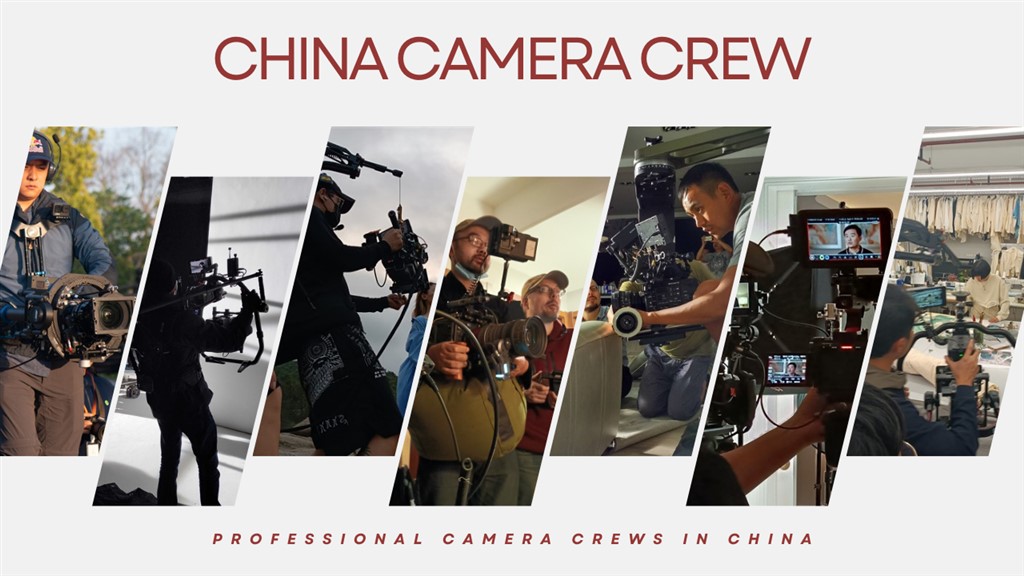
A structured crew may include a videographer or DP, sound recordist, lighting assistant, producer, fixer, production assistant, and equipment package.
This costs more than a solo operator. However, it can reduce risk and improve efficiency, especially when the shoot involves interviews, company access, factories, events, or multiple locations.
Why Videographer Cost China Varies by City
China is not one uniform production market. Rates, logistics, equipment access, and crew availability can vary between cities.
Shanghai and Beijing usually offer stronger production infrastructure. They have more experienced crews, better equipment rental options, and more supplier choices. However, costs may also be higher.
Shenzhen and Guangzhou are strong for technology, manufacturing, product videos, corporate shoots, and Greater Bay Area productions. Equipment and crew are available, but the right setup still depends on the brief.
Chengdu, Chongqing, Xi’an, Wuhan, Zhengzhou, Tianjin, Qingdao, and other regional cities may offer different cost structures. Labor rates can sometimes be lower. However, specialist equipment or certain crew roles may need to come from another city.
As a result, a lower local day rate does not always mean a lower total production cost. If extra crew, gear, or travel is needed, the budget can increase quickly.
Solo Videographer vs Structured Crew
Many producers compare a freelance videographer quote with a production company quote and wonder why the price is different. The answer usually comes down to responsibility.
A solo videographer may handle:
- Camera operation
- Basic framing
- Simple lighting
- Basic audio
- Limited B-roll
- Small-scale delivery
This can work for simple projects. For example, a one-person setup may be enough for quick social media clips, basic event coverage, or simple office B-roll.
However, a structured crew may handle:
- Pre-production planning
- Location communication
- Crew scheduling
- Sound recording
- Lighting setup
- Equipment rental
- Bilingual coordination
- Interview support
- Transport planning
- Data management
- Post-production workflow
For international productions, this wider structure often matters. It helps prevent delays, improves quality, and reduces confusion on the shoot day.
Therefore, the cheapest videographer quote is not always the best value. The right choice depends on the complexity of the project.
Equipment Rental China and Camera Package Costs
Equipment can be a major part of the total budget. In China, you can rent many professional camera systems, lenses, lights, sound kits, grip tools, monitors, teleprompters, drones, and production accessories.
Common equipment options include:
- Sony FX series cameras
- Canon cinema cameras
- ARRI camera systems
- RED cameras
- Blackmagic cameras
- Cinema lens packages
- Documentary zoom lenses
- LED lighting kits
- Wireless microphones
- Boom microphones
- Tripods and sliders
- Gimbals
- Monitors
- Teleprompters
- Drone equipment
- Data backup tools
A videographer with their own camera may reduce the initial cost. However, this can limit flexibility if the production later needs different lenses, more lighting, wireless video, better sound, or a second camera.
For higher-end corporate films, commercials, documentaries, and brand campaigns, structured equipment rental often gives better control.
Hidden Costs Behind Videographer Cost China
The visible day rate is only one part of the budget. Many international clients overlook the costs that sit around the filming day.
Common hidden or additional costs include:
- Bilingual producer or fixer
- Sound recordist
- Lighting assistant
- Equipment rental
- Equipment delivery
- Transport and drivers
- Location fees
- Permit or access fees
- Travel between cities
- Hotel costs for crew
- Prep day or tech check
- Overtime
- Data backup
- Translation and subtitles
- Editing and post-production
- Remote viewing setup
- Drone coordination
- Production insurance-related requirements
These items are not always needed. However, they should be discussed early. Otherwise, the budget may look cheaper at the beginning but become unclear later.
Permits, Locations, and Access Costs
Filming in China often involves location and access planning. Some shoots are simple. Others need more preparation.
A corporate interview in a private office may only need internal company approval. A factory shoot may need safety approval, visitor registration, PPE, and internal coordination. A public location may require local permission. A drone shoot may need separate planning.
These requirements can affect cost because they involve time, communication, and sometimes fees.
A freelance videographer may not be able to manage all of this alone. In many cases, producers need a fixer, local producer, or coordinator to handle communication with venues, offices, authorities, site managers, or suppliers.
Therefore, permit and location planning should be included in the production budget, not treated as an afterthought.
Bilingual Crew and Communication Costs
For international producers, bilingual support can be one of the most valuable parts of a China production budget.
Language barriers can affect:
- Location negotiation
- Interview briefing
- Crew communication
- Equipment coordination
- Driver instructions
- Factory access
- Client feedback
- Release forms
- Post-production notes
Without clear communication, small issues can slow the shoot down. A driver may go to the wrong gate. A venue may misunderstand the schedule. A contributor may not know what to expect. A factory manager may restrict filming because the process was not explained properly.
A bilingual producer or fixer adds cost. However, they often save money by preventing delays and confusion.
Production Logistics China: Why Planning Affects Cost
Good planning can keep videographer costs under control. Poor planning can increase costs quickly.
For example, a shoot with three locations in one day may look efficient on paper. However, if the locations are far apart, loading is difficult, traffic is heavy, or setup time is short, the crew may need extra hours, extra assistants, or an additional shoot day.
Production logistics in China may involve:
- City traffic
- High-speed rail travel
- Domestic flights
- Equipment transport
- Parking and loading
- Hotel bookings
- Local holidays
- Crew availability
- Location access windows
- Factory operating hours
- Event schedules
- Weather considerations
Because of this, budgeting should include both filming time and movement time. A realistic schedule usually costs less than an overly compressed one that creates overtime and stress.
Cross-City Production Budgeting
Many China shoots involve more than one city. A project may start in Shanghai, continue in Beijing, then move to Shenzhen or Chengdu. In these cases, producers must decide whether to travel with one crew or hire local crews in each city.
Using one crew can help keep the visual style consistent. It also reduces briefing time. However, travel, hotels, transport, and per diems can increase the budget.
Hiring local crews in each city may reduce travel costs. However, the producer must manage consistency across camera setups, lighting style, crew quality, and communication.
There is no single best answer. The right approach depends on the project.
For a documentary, one traveling crew may be better. For simple corporate interviews in several cities, local crews may be more cost-efficient. For a brand campaign, a hybrid approach may work best.
Common Budget Levels for Different Shoot Types
Exact costs depend on the brief, city, crew, and equipment. However, productions usually fall into several broad categories.
Basic Videographer Shoot
This may include one videographer with a basic camera kit. It can work for simple B-roll, quick content capture, or small online videos.
It is the lowest-cost option, but it has limits. Sound, lighting, logistics, and client coordination may be minimal.
Interview Crew
This setup usually includes a camera operator or DP, sound recordist, lighting kit, and sometimes a bilingual producer or assistant.
It works well for executive interviews, corporate content, documentary interviews, and customer stories.
Corporate Video Crew
This may include a producer, DP, camera assistant, sound recordist, gaffer or lighting assistant, equipment package, and post-production.
It is suitable for company films, brand stories, product videos, factory shoots, and polished business content.
Event Video Crew
Event budgets depend on the schedule, number of cameras, audio feed needs, editing speed, and final deliverables.
A small event may only need one or two camera operators. A larger conference may need multi-camera coverage, live streaming support, photography, same-day edits, and post-production.
Commercial or Brand Campaign Crew
This is usually the most structured setup. It may include director, producer, DP, gaffer, grip, art department, HMU, casting, location management, client monitoring, and post-production.
In this case, the videographer cost is only one part of a wider production budget.
How to Compare Videographer Quotes in China
When comparing quotes, do not only compare the final number. Look at what is included.
Useful questions include:
- Does the rate include equipment?
- What camera and lenses are included?
- Is sound included?
- Is lighting included?
- Is a producer or fixer included?
- Is transport included?
- Are overtime terms clear?
- Are prep days included?
- Is editing included?
- Are subtitles included?
- Who handles location communication?
- Who manages data backup?
- What happens if the schedule changes?
A cheaper quote may be fine for a simple job. However, if it excludes key support, the final cost may increase later.
How Shoot In China Helps With Budget Planning
Shoot In China helps international producers build practical budgets for filming in China. We look at the full production environment, not only the camera day rate.
Our support can include:
- Videographer hire
- Camera crew planning
- Bilingual producer support
- Fixer services
- Equipment rental coordination
- Location scouting
- Permit and access support
- Transport and logistics
- Cross-city planning
- Remote production setup
- Editing and post-production
- Subtitles and translation
Since 2012, we have worked with international brands, Fortune 500 companies, media organizations, agencies, and filmmakers across China. Our network covers Shanghai, Beijing, Shenzhen, Guangzhou, Chengdu, Hong Kong, Tianjin, Chongqing, Zhengzhou, Xi’an, Qingdao, Hangzhou, Suzhou, and other major cities.
Practical Tips to Control Videographer Cost China
There are several ways to keep costs predictable.
First, prepare a clear brief. Even a short document with shoot dates, location, project type, deliverables, and reference style helps a lot.
Second, decide what level of quality you need. A simple internal video does not need the same crew as a brand film.
Third, confirm what is included in the quote. Equipment, sound, lighting, transport, editing, and translation should be clear.
Fourth, avoid unrealistic schedules. A rushed plan often creates overtime or weaker footage.
Finally, plan cross-city shoots carefully. Travel, equipment movement, and local crew availability can affect the total budget.
What to Prepare Before Requesting a Quote
Before asking for a videographer quote in China, prepare the basic production details.
Useful information includes:
- Target city or cities
- Shoot date
- Number of filming days
- Project type
- Number of interviews
- Location type
- Final video length
- Camera style
- Sound requirements
- Lighting needs
- Equipment preferences
- Editing needs
- Subtitle or translation needs
- Remote viewing needs
- Budget range
- Delivery deadline
With this information, the quote will be more accurate. It also helps avoid unnecessary back-and-forth.
Plan Your China Videographer Budget
If you are trying to understand videographer cost China for a corporate video, interview, documentary, event, factory shoot, brand film, or remote production, Shoot In China can help you build a realistic plan.
A good production budget should reflect more than a day rate. It should include the crew, equipment, locations, logistics, communication, and delivery workflow needed to complete the job properly.
Contact Shoot In China to discuss your next video production in China.pport both creative goals and operational efficiency.