Understanding cinematographer vs videographer China is essential for foreign producers planning filming in China. While the terms are sometimes used interchangeably, they represent different production roles, budget structures, and workflow expectations. In China’s production environment, the distinction influences equipment planning, crew size, production logistics China coordination, and even filming permits. Choosing the correct role is less about title preference and more about project scope, creative expectations, and logistical complexity.
This guide explains the operational differences between cinematographers and videographers in China, and how international teams can align hiring decisions with production realities.
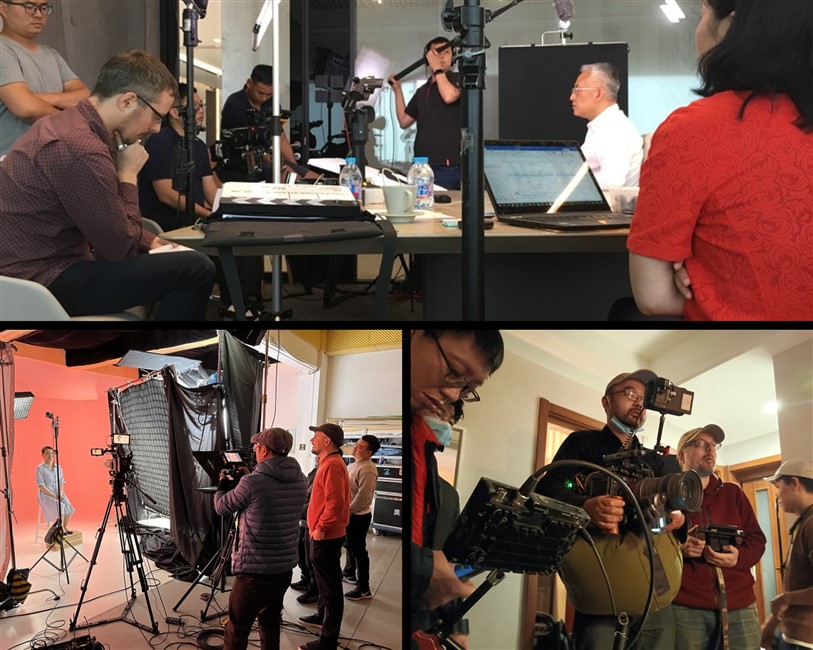
Cinematographer vs Videographer China: Role Definition in Practice
In Western markets, a cinematographer (or Director of Photography) typically leads visual design, lighting strategy, and camera team coordination. A videographer often operates as a solo shooter managing camera and basic production tasks.
In China, the distinction remains similar but functions within a unique production structure.
A cinematographer usually:
- Oversees lighting design and visual tone
- Works with assistants and technical crew
- Requires structured equipment rental China coordination
- Operates within larger production frameworks
A videographer often:
- Manages camera operation independently
- Uses smaller camera package China setups
- Handles limited lighting setups
- Operates within tighter budgets
Understanding how these roles integrate into production logistics China workflows prevents misalignment between expectations and resources.
When a Cinematographer Is Necessary for Filming in China
Cinematographers are typically required for projects involving:
- Brand commercials
- High-end corporate storytelling
- Product launch campaigns
- Multi-location narrative shoots
These productions demand structured visual consistency, controlled lighting, and often cross-city production planning.
For example, filming in China across Shanghai, Shenzhen, and Chengdu may require maintaining consistent visual language across locations. A cinematographer leads this process.
Such projects frequently require larger camera package China configurations, including:
- Dedicated camera assistants
- Lighting technicians
- Grip equipment
These productions often involve more extensive equipment rental China coordination and timeline planning.
When a Videographer Is the Practical Choice
A videographer is often the right solution for:
- Executive interviews
- Internal communications
- Training content
- Event coverage
These projects prioritize efficiency and streamlined crew size.
In many cases, a videographer with a compact camera package China setup provides sufficient production quality while minimizing logistical complexity.
However, even smaller productions may require bilingual crew support or administrative coordination depending on location.
Understanding project scope ensures that the videographer role aligns with production needs.
Cinematographer vs Videographer China: Budget and Crew Implications
The difference between roles directly impacts budget structure.
A cinematographer-led shoot typically includes:
- Expanded crew
- Larger equipment packages
- Additional lighting and grip resources
- Longer setup times
A videographer-led shoot often includes:
- Minimal crew
- Compact equipment
- Faster setup and breakdown
- Lower administrative complexity
However, lower upfront costs do not always equal lower overall production cost.
If project scope requires structured production logistics China coordination, underestimating crew requirements may result in inefficiencies.
Clear scope definition stabilizes budget expectations.
Equipment Strategy: Camera Package China Differences
Cinematographer projects usually require advanced technical planning.
Equipment differences may include:
- Cinema-grade cameras with full lens sets
- Controlled lighting environments
- Grip equipment for complex setups
- Backup systems for reliability
Videographer setups typically focus on:
- Lightweight cinema or hybrid cameras
- Portable lighting kits
- Simplified audio solutions
China’s equipment rental China infrastructure supports both approaches. However, high-demand gear should be reserved early.
Cross-city production may influence whether equipment travels with crew or is rented locally.
Production Logistics China and Administrative Considerations
Both roles must align with production logistics China workflows.
Factors affecting role choice include:
- Filming permits and location approvals
- Corporate site access requirements
- Drone authorization if aerial footage is needed
- Regional regulatory variations
A cinematographer-led shoot often involves more visible equipment and larger crews, which may require additional administrative planning.
Videographer setups sometimes allow greater mobility and faster access.
Understanding these regulatory dynamics helps avoid production delays.
Cross-City Production: Maintaining Visual Continuity
Cross-city production introduces additional complexity when choosing between cinematographer and videographer.
For example:
- Brand storytelling filmed in Shanghai and Shenzhen may require consistent lighting and framing across locations.
- Documentary-style projects traveling across provinces may benefit from lighter videographer setups.
Maintaining visual continuity across cities may justify hiring a cinematographer with a consistent crew.
Alternatively, projects focused on flexibility may prioritize mobility over scale.
Strategic planning aligns role selection with production goals.
Bilingual Crew and Communication Structure
Communication plays a critical role in both scenarios.
Cinematographer-led productions often involve:
- International directors
- Larger technical crews
- Complex shot lists
Videographer-led projects may involve:
- Direct client interaction
- Simplified crew communication
A bilingual crew ensures alignment between creative direction and local execution.
Miscommunication can increase setup time and reduce efficiency.
Production logistics China coordination integrates language support into planning stages.
Timeline Planning and Workflow Differences
Cinematographer shoots generally require:
- Extended lighting setup time
- Pre-light days
- Larger production schedules
Videographer projects typically operate on:
- Shorter setup windows
- Compact shooting days
- Faster turnaround
Foreign producers must consider how executive availability, location access, and travel constraints affect scheduling.
Clear workflow planning prevents overextension of resources.
Cinematographer vs Videographer China: Practical Decision Framework
Rather than focusing on title, foreign producers should evaluate:
- Project visual ambition
- Number of locations
- Administrative requirements
- Budget flexibility
- Timeline constraints
Choose a cinematographer when:
- Visual identity drives the project
- Multiple crew roles are required
- Brand consistency across locations is critical
Choose a videographer when:
- Efficiency and flexibility matter
- Content is interview-driven
- Budget and time are constrained
Understanding cinematographer vs videographer China in operational terms allows producers to match creative goals with logistical reality.
Working with videographer.cn for Structured Production Support
Selecting between cinematographer and videographer is only part of the equation.
videographer.cn supports international productions by aligning technical crew selection with production logistics China workflows. This includes coordinating bilingual crew, sourcing equipment rental China, planning camera package China setups, managing filming permits, and supporting cross-city production execution.
Rather than focusing solely on role titles, structured planning ensures that visual quality, scheduling efficiency, and regulatory compliance remain aligned.
For foreign teams filming in China, understanding the practical differences behind cinematographer vs videographer China leads to informed decisions and reliable execution.