Producing a successful brand storytelling video China project requires combining creative narrative with structured execution. For foreign companies filming in China, storytelling production involves more than cinematic visuals. It requires coordinated production logistics China planning, bilingual crew communication, equipment sourcing, and an understanding of local workflow expectations. Brand storytelling projects often span multiple locations, involve diverse participants, and must align with both global brand identity and local cultural context.
This guide explains how brand storytelling video production operates on the ground in China, outlining real production workflows, practical planning considerations, and strategies that help international teams execute efficiently while preserving creative intent.
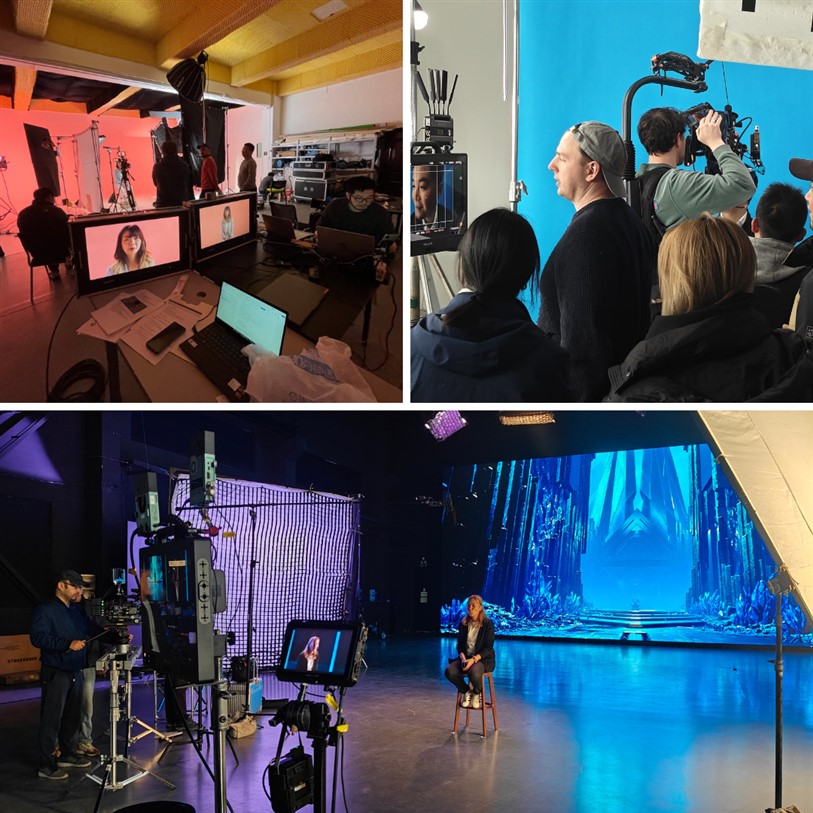
Understanding Brand Storytelling Video China in Real Production Environments
Brand storytelling differs from traditional corporate or commercial content.
Rather than focusing solely on product promotion, storytelling projects typically highlight:
- Brand origin narratives
- Founder or leadership perspectives
- Employee or customer stories
- Operational environments and real-world contexts
- Cultural or regional connections
When filming in China, these elements often intersect with operational constraints such as location approvals, internal corporate processes, and language coordination.
Foreign producers frequently underestimate how early logistical planning influences storytelling flexibility. Aligning narrative development with production realities ensures smoother execution.
How Brand Storytelling Video China Projects Differ from Western Workflows
Brand storytelling production in China often follows different rhythms compared to Western markets.
Key differences include:
- Greater emphasis on relationship-based coordination with locations
- Internal approval processes before filming
- Scheduling around operational priorities rather than creative convenience
- Adaptation to rapidly changing environments
These factors do not limit creativity. Instead, they shape how projects should be planned.
Story-driven productions benefit from integrating logistical considerations into creative development rather than treating them as separate stages.
Understanding local workflow expectations helps prevent delays and maintains production momentum.
Equipment Planning and Camera Package China Strategy
Brand storytelling blends cinematic quality with documentary-style flexibility.
Typical equipment considerations include:
- Cinema cameras capable of capturing high-quality interviews and dynamic visuals
- Prime lenses for portrait-style storytelling shots
- Stabilization tools for moving sequences
- Lightweight lighting systems adaptable to varied locations
China’s equipment rental China ecosystem offers strong access to professional gear. However, equipment availability may vary between cities.
Planning a consistent camera package China setup ensures visual continuity across multiple scenes.
Storytelling productions often combine controlled interview setups with handheld or observational footage to capture authentic moments.
Bilingual Crew and Cultural Communication
Brand storytelling frequently involves cross-cultural communication.
Participants may include:
- International executives
- Local employees
- Regional partners or customers
A bilingual crew ensures:
- Accurate translation of interviews
- Clear communication between director and participants
- Cultural sensitivity during storytelling
Miscommunication can alter narrative tone or meaning.
Structured production logistics China workflows integrate language coordination into every stage, from pre-production interviews to on-set direction.
Bilingual support enhances both efficiency and authenticity.
Filming Permits and Administrative Preparation
Brand storytelling projects often involve diverse locations such as:
- Corporate offices
- Manufacturing facilities
- Public urban environments
- Retail spaces or event venues
Filming permits may be required depending on location visibility and project scope.
Administrative preparation includes:
- Location agreements
- Safety compliance documentation
- Equipment approvals
- Internal corporate authorization
China’s regulatory expectations vary by region. Early planning avoids disruptions during production.
Clear communication with local authorities and venues ensures smoother scheduling.
Cross-City Production for Brand Storytelling Video China
Many brand storytelling campaigns showcase operations across multiple Chinese cities.
Examples include:
- Brand headquarters in Shanghai
- Production facilities in Shenzhen
- Retail or community stories captured in Chengdu
Cross-city production introduces logistical challenges:
- Maintaining consistent visual style
- Coordinating travel schedules
- Deciding between equipment transport or local rental
- Aligning regional teams
Some projects maintain a core creative crew while sourcing local technical support in each city.
Strategic planning balances efficiency with storytelling consistency.
Managing Narrative Authenticity Within Production Logistics China
Brand storytelling often relies on capturing genuine interactions rather than staged performances.
However, filming environments in China may require structured planning.
Balancing authenticity with logistical preparation includes:
- Scheduling interviews during operational downtime
- Preparing flexible shooting plans
- Anticipating environmental constraints such as noise or lighting
Effective storytelling emerges when crews remain adaptable while maintaining technical consistency.
Preparation allows spontaneous moments to be captured without sacrificing production quality.
Remote Direction and Global Brand Alignment
International brand teams frequently oversee storytelling projects remotely.
Effective remote workflows include:
- Detailed creative briefs
- Shot lists aligned with brand guidelines
- Live video monitoring where possible
- Secure daily footage sharing
Time zone differences require structured communication schedules.
Production logistics China coordination ensures local execution aligns with global creative expectations.
Defined reporting structures reduce delays and maintain narrative consistency.
Budget and Timeline Planning for Brand Storytelling Video China
Brand storytelling budgets depend on multiple factors:
- Number of filming locations
- Crew size and technical complexity
- Equipment rental China costs
- Translation and localization requirements
- Post-production deliverables
Unlike traditional commercials, storytelling projects may require additional shooting days to capture authentic content.
Scheduling flexibility helps teams adapt to real-world environments while maintaining budget control.
Clear pre-production planning reduces unexpected costs.
Practical Execution Support with videographer.cn
Brand storytelling video China projects succeed when creative vision aligns with operational expertise.
videographer.cn supports international productions by integrating bilingual crew coordination, equipment rental China sourcing, camera package China planning, and cross-city production logistics into structured workflows.
Rather than separating creative storytelling from logistical execution, integrated planning ensures that brand narratives remain authentic while production runs smoothly within China’s operational environment.
Understanding how brand storytelling video China productions function locally allows foreign teams to approach filming in China with clarity, efficiency, and confidence.