Choosing the right approach to hire videographer China requires more than reviewing showreels or comparing day rates. For international producers, filming in China involves specific logistical structures, regional workflow differences, equipment coordination challenges, and communication layers that differ from Western production environments. This guide explains how hiring actually works on the ground, outlining practical steps, common pitfalls, and operational realities that help foreign clients build reliable production workflows.
Rather than presenting a simple hiring checklist, this resource reflects how projects function within China’s production ecosystem — where bilingual crew coordination, filming permits, and cross-city production planning often influence decisions more than creative considerations alone.
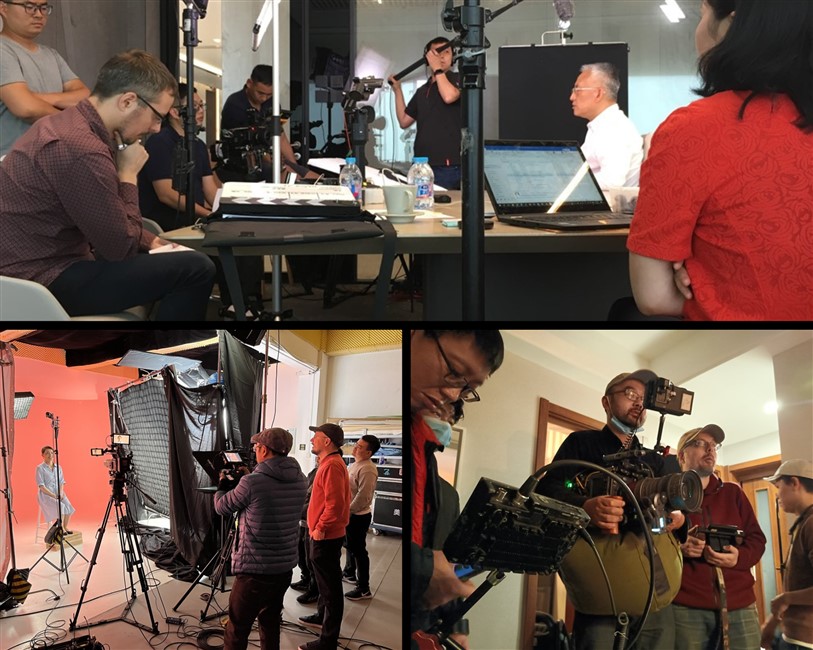
Understanding the “Hire Videographer China” Process in a Local Production Context
Hiring a videographer in China often begins differently from Western markets.
Instead of selecting an individual operator first, many projects define technical requirements and logistical scope before confirming personnel.
Why?
Because videographers frequently operate within larger production frameworks involving:
- Equipment rental China networks
- Local coordinators or fixers
- Regional crew structures
- Administrative compliance processes
A videographer may function as a standalone operator for smaller shoots. However, for many international productions, hiring becomes a combination of operator selection and logistical planning.
Foreign clients unfamiliar with local workflows often underestimate how early technical coordination should begin.
Step 1: Define Production Scope Before Hiring
The most effective way to hire videographer China is to clarify project structure before searching for individuals.
Key questions include:
- Is the shoot single-city or cross-city production?
- Will equipment be supplied locally or imported?
- Are filming permits required?
- Is remote supervision involved?
- Does the project require bilingual crew communication?
Clear scope definition prevents mismatches between creative expectations and logistical capability.
For example, a documentary interview may only require a videographer with a camera package China setup. A commercial production might require additional support roles from the start.
Step 2: Evaluate Technical Requirements and Camera Package China Needs
Equipment choices influence hiring decisions more than many clients expect.
Some videographers provide full camera kits. Others operate only as technicians within structured teams.
Common considerations include:
- Camera platform compatibility (ARRI, RED, Sony, etc.)
- Lens selection and accessories
- Lighting requirements
- Audio recording needs
- Data management workflows
China offers strong equipment rental China infrastructure, but availability varies between cities.
Selecting a videographer without aligning equipment expectations may result in last-minute sourcing challenges.
Early technical discussions help ensure compatibility between creative goals and local resources.
Step 3: Assess Communication Structure and Bilingual Workflow
Communication efficiency strongly affects project outcomes.
Foreign producers often rely on remote collaboration. Without bilingual coordination, instructions may lose clarity during translation.
When hiring a videographer, consider whether:
- They can communicate directly in English or another project language.
- A bilingual crew member is required to bridge communication gaps.
- Production logistics China workflows include structured coordination support.
Effective communication reduces delays and prevents misunderstandings with locations, vendors, and crew members.
In many cases, a bilingual coordinator provides more value than increasing technical crew size.
Step 4: Regional Differences When Hiring Across China
China’s production environment varies widely between cities.
Hiring strategies that work in Shanghai may not apply in secondary regions.
Factors influencing regional hiring include:
- Equipment availability
- Permit requirements
- Local crew networks
- Transportation logistics
Cross-city production adds complexity. Travel planning must account for equipment movement, crew continuity, and regional workflow differences.
Sometimes hiring local videographers in each city reduces costs. Other projects benefit from maintaining consistent visual style by traveling with the same operator.
Understanding these trade-offs helps clients make informed decisions.
Step 5: Filming Permits and Administrative Responsibilities
Permit considerations often determine whether a solo videographer is sufficient.
Commercial filming in China may require:
- Local authority approvals
- Location agreements
- Drone permits
- Safety documentation
A freelance operator may not manage administrative processes independently.
Production logistics China workflows typically include early assessment of permit needs.
Planning administrative steps early avoids schedule disruptions or location access issues.
Foreign clients should clarify who handles permits during the hiring stage.
Step 6: Budget Structure Beyond the Videographer Day Rate
Budget discussions often begin with day rates but should include broader cost structures.
Common budget components include:
- Videographer labor
- Equipment rental China fees
- Travel and accommodation
- Logistics coordination
- Translation or bilingual crew support
- Data management and post-production preparation
Focusing only on the operator’s rate can create unrealistic expectations.
Many production challenges arise from overlooked logistics rather than technical limitations.
A structured budget approach aligns hiring decisions with operational realities.
Step 7: Remote Production Management and Workflow Planning
Remote collaboration has become standard for international productions filming in China.
Hiring decisions should consider how creative direction will be communicated during pre-production and on-set.
Effective remote workflows include:
- Clear shot lists and technical briefs
- Scheduled video calls for alignment
- Real-time messaging channels
- Structured reporting from local crew
A videographer working within a coordinated system ensures consistency between client expectations and local execution.
This is especially important when time zones or language differences introduce additional communication layers.
Step 8: On-the-Ground Execution — What Happens After Hiring
Once a videographer is confirmed, production moves into execution phases.
Typical workflow stages include:
- Technical alignment and equipment testing
- Location coordination and scheduling
- Crew briefing and translation support
- Shoot execution with local coordination
- Data delivery and workflow handoff
China productions often benefit from detailed preparation. Last-minute adjustments are possible but may increase costs.
Structured planning ensures smoother execution, particularly when filming across multiple locations.
Practical Hiring Strategy for Foreign Producers
There is no single method to hire videographer China effectively.
Instead, successful projects balance creative needs with logistical structure.
Consider a solo videographer when:
- The project scope is small.
- Equipment needs are limited.
- Locations are straightforward.
Consider structured production support when:
- Multiple cities are involved.
- Administrative coordination is required.
- Equipment sourcing is complex.
- Remote supervision requires bilingual workflow.
Aligning hiring strategy with production realities improves both efficiency and creative outcomes.
Working with videographer.cn for Production Execution
Foreign producers entering the China market often benefit from combining local expertise with international production standards.
videographer.cn supports projects by aligning videographer hiring with production logistics China workflows. This includes coordinating bilingual crew, sourcing camera package China solutions, managing equipment rental China logistics, and supporting cross-city production planning.
Rather than focusing solely on staffing, structured execution ensures that creative intent translates smoothly into local production environments.
Understanding how to hire videographer China within the broader context of logistics, equipment, and workflow allows international clients to approach filming in China with clarity and confidence.