Producing a corporate training video China project requires more than hiring a camera operator. For foreign companies filming in China, successful execution depends on structured production logistics China planning, bilingual communication, equipment coordination, and often cross-city production management. Whether filming at a manufacturing facility, regional office, or multiple training centers, understanding how training video production functions locally helps reduce risk and protect brand consistency.
This guide outlines how corporate training content is produced on the ground, how workflows differ from Western markets, and what foreign companies should prepare before scheduling a shoot.
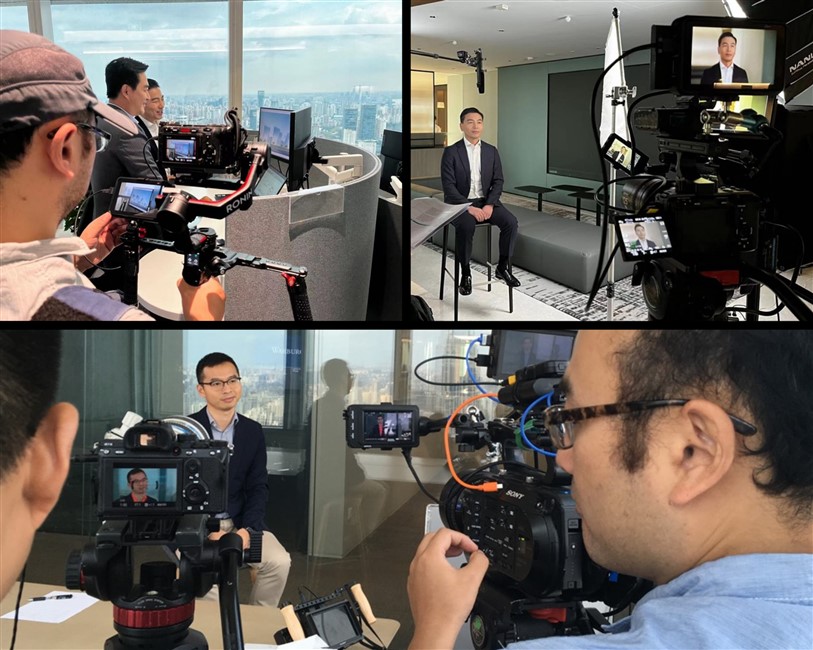
Why Corporate Training Video China Projects Require Structured Planning
Corporate training videos often appear simple on the surface. A presenter speaks to camera. Cutaways show operations. Graphics reinforce procedures.
In practice, training productions in China frequently involve:
- Active factory environments
- Office locations with restricted access
- Safety compliance considerations
- Multilingual staff participation
- Cross-department scheduling
Unlike promotional commercials, training videos often require access to operational spaces. This can trigger filming permits or site-level approvals.
Clear pre-production planning ensures minimal disruption to daily operations while capturing the required instructional material.
Understanding Corporate Training Video China in a Local Production Environment
Training video production differs from advertising or brand storytelling.
Corporate training video China projects often focus on:
- Safety procedures
- Technical demonstrations
- HR onboarding
- Compliance instructions
- Equipment operation guidance
These projects typically prioritize clarity over cinematic style. However, production quality still affects credibility.
In China, workflow expectations may differ from Western internal communications. Department approvals, factory management, and site supervisors often play an active role in scheduling and access.
Aligning production planning with operational realities improves efficiency and reduces downtime.
Equipment Strategy for Corporate Training Video China
Training content requires technical consistency more than large cinematic setups.
Common equipment considerations include:
- Reliable camera package China configurations
- Clean audio capture in industrial environments
- Lighting setups adaptable to office or factory conditions
- Backup systems to avoid downtime
China has strong equipment rental China infrastructure in major cities. However, industrial or remote locations may require advance coordination.
For example, filming inside manufacturing plants often demands:
- Compact lighting setups
- Noise control solutions
- Secure cable management
- Rapid setup and teardown
Proper equipment planning ensures smooth execution without interrupting operations.
Bilingual Crew and Communication in Corporate Training Shoots
Language alignment is critical for training videos.
Corporate training video China projects frequently require:
- English-speaking leadership interviews
- Mandarin-speaking staff demonstrations
- Subtitles or dual-language delivery
- Script translation support
A bilingual crew bridges communication between foreign headquarters and local employees.
This includes:
- Translating technical terminology
- Coordinating with site supervisors
- Managing crew interactions on factory floors
Without structured communication, instructional accuracy may suffer.
Bilingual production logistics China workflows reduce misunderstandings and maintain instructional clarity.
Filming Permits and Site Compliance
Training videos often take place in active facilities.
Depending on the location, filming permits or administrative approvals may be required.
Considerations include:
- Industrial site authorization
- Drone usage restrictions
- Safety compliance documentation
- Confidentiality agreements
Corporate environments in China frequently require advance notice and internal coordination.
Production teams should confirm access permissions before finalizing shoot dates.
Failure to align administrative approvals with scheduling can delay production.
Cross-City Corporate Training Video China Production
Many multinational companies operate across multiple Chinese cities.
Corporate training video China projects may require filming in:
- Shanghai headquarters
- Shenzhen R&D facilities
- Chengdu manufacturing plants
- Regional training centers
Cross-city production introduces logistical considerations:
- Equipment transport versus local rental decisions
- Crew continuity for visual consistency
- Regional scheduling coordination
- Site-specific permit variations
In some cases, using local crews in each city reduces travel costs. In other situations, maintaining a consistent camera team ensures uniform visual style.
Strategic planning helps balance cost efficiency and brand consistency.
Step-by-Step Corporate Training Production Workflow
Training video production typically follows a structured process:
1. Content Planning and Script Alignment
Define learning objectives and key instructional sequences.
Translate scripts where necessary to ensure clarity.
2. Technical Assessment
Confirm equipment requirements and site constraints.
Plan camera package China setup accordingly.
3. Location Coordination
Secure access approvals and confirm operational schedules.
Minimize disruption to daily workflows.
4. Crew Scheduling
Assign bilingual crew where necessary.
Confirm travel logistics for cross-city production.
5. Shoot Execution
Capture presenter segments and operational demonstrations.
Ensure safety compliance throughout.
6. Post-Production and Localization
Add subtitles, graphics, and internal branding elements.
Deliver files in formats compatible with internal systems.
Structured planning ensures efficiency and instructional clarity.
Remote Collaboration for Overseas Headquarters
Many corporate training video China projects are directed remotely from overseas headquarters.
This requires:
- Pre-shoot alignment calls
- Clear shot lists and briefing documents
- Real-time updates during filming
- Transparent reporting
Time zone differences require planning.
Structured production logistics China workflows allow remote stakeholders to remain informed without micromanaging on-site operations.
Remote collaboration becomes smoother when communication channels are defined early.
Budget Structure and Timeline Planning
Training video budgets depend on:
- Number of filming days
- Locations involved
- Equipment requirements
- Translation needs
- Post-production complexity
Unlike marketing campaigns, training videos often emphasize efficiency and clarity.
Scheduling around factory operations may limit available shooting windows.
Advance planning helps prevent overtime costs.
Clear alignment between production and internal departments stabilizes both timeline and budget.
Practical Execution Support with videographer.cn
Corporate training content in China benefits from structured local coordination.
videographer.cn supports international companies by integrating technical crew, bilingual workflow management, and equipment rental China coordination into a cohesive execution plan.
From camera package China sourcing to cross-city production scheduling, projects are aligned with operational constraints and administrative requirements.
Rather than treating training videos as simplified shoots, structured planning ensures instructional clarity, operational efficiency, and brand consistency across locations.
Understanding how corporate training video China projects function locally allows foreign companies to approach filming in China with confidence and clear expectations.