Working with a documentary videographer China requires more than hiring a camera operator. Documentary filmmaking in China involves navigating regional production logistics China workflows, communication dynamics, filming permits, and flexible shooting environments that differ significantly from Western markets. For international producers, success depends on combining editorial sensitivity with structured logistical planning, bilingual coordination, and reliable equipment sourcing.
This guide explains how documentary production actually functions when filming in China, what foreign teams should expect, and how to approach planning with clarity and efficiency.
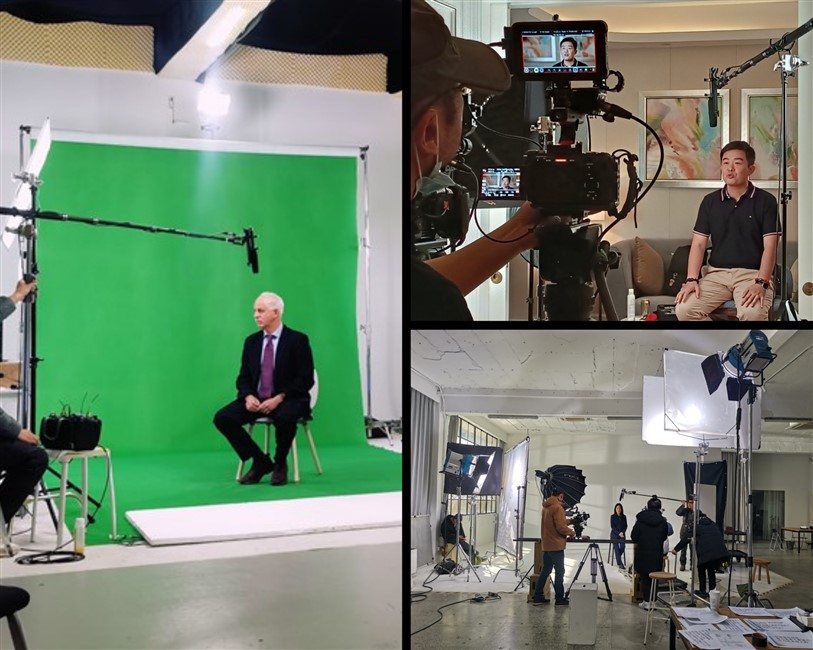
Understanding Documentary Videographer China in Real Production Conditions
Documentary filming emphasizes authenticity and adaptability. In China, these qualities must align with practical operational realities.
A documentary videographer may operate as:
- Solo observational filmmaker
- Cinematographer integrated into a larger crew
- Field operator supported by local production logistics China teams
Foreign producers often assume documentary shoots require minimal infrastructure. In China, however, even small projects may involve:
- Location access coordination
- Local approvals or filming permits
- Language support
- Equipment sourcing across cities
Documentary work frequently moves between controlled and unpredictable environments. Structured planning enables flexibility without sacrificing reliability.
Documentary Filming Workflow Differences Compared to Western Markets
China’s production ecosystem introduces workflow differences that affect documentary production.
These include:
- Faster decision cycles once approvals are granted
- Relationship-based coordination with locations
- Regional variations in crew availability
- Greater reliance on local knowledge for access
Western documentary crews often rely on spontaneous filming. In China, spontaneous access may be limited in certain contexts.
Advance planning does not restrict creativity. Instead, it ensures that production teams can respond quickly once filming begins.
Understanding local workflow expectations helps documentary videographers operate efficiently while maintaining editorial integrity.
Equipment Strategy for Documentary Videographer China Projects
Documentary filmmaking prioritizes mobility, reliability, and flexibility.
Typical camera package China considerations include:
- Lightweight cinema cameras or hybrid systems
- Stabilization tools for handheld shooting
- Compact audio setups for interviews
- Low-light performance for uncontrolled environments
China’s equipment rental China ecosystem offers strong availability in major cities. However, documentary shoots frequently travel beyond urban centers.
Production teams should decide whether to:
- Travel with core equipment
- Rent locally in each city
- Combine both approaches
Backup planning is essential. Documentary shoots rarely allow reshoots, so redundancy reduces risk.
Bilingual Crew and Cultural Communication in Documentary Work
Documentary storytelling relies heavily on human interaction.
Language differences can affect:
- Interview authenticity
- Consent and release understanding
- Cultural interpretation of questions
A bilingual crew helps maintain natural conversations while ensuring accuracy.
This includes:
- Translating interview prompts
- Clarifying sensitive topics
- Coordinating with local participants
Without structured communication support, subtle meaning may be lost during translation.
Bilingual production logistics China workflows help bridge creative intent with local context.
Filming Permits and Legal Considerations for Documentary Videographer China
Permits vary depending on project scale and filming locations.
Considerations may include:
- Public space filming permissions
- Drone authorization
- Media-specific approvals
- Location agreements
Documentary projects sometimes assume flexibility due to smaller crews. However, regulatory expectations still apply.
Working with local coordinators ensures compliance without disrupting storytelling.
Administrative preparation protects both crew and participants.
Cross-City Documentary Production in China
Many documentaries explore multiple regions.
Cross-city production introduces logistical challenges:
- Transporting equipment across long distances
- Maintaining consistent visual style
- Managing regional crew differences
- Scheduling around travel constraints
For example, filming in Shanghai, rural Sichuan, and Shenzhen within a single production requires adaptable workflows.
Some productions maintain a core documentary videographer supported by local assistants in each city.
Others assemble entirely local crews coordinated remotely.
Strategic planning ensures continuity while controlling cost.
Documentary Interview Filming and Environmental Sound Challenges
Interviews remain central to documentary storytelling.
China environments often present technical challenges:
- Background noise in urban settings
- Factory or market sound interference
- Limited control over lighting conditions
Planning solutions include:
- Directional microphones with backup audio
- Portable acoustic treatments where possible
- Flexible lighting setups
Experienced documentary videographers anticipate environmental variability and adapt quickly.
Technical preparation reduces disruption during interviews.
Remote Collaboration with International Documentary Teams
Many documentary projects involve international directors or producers working remotely.
Effective collaboration strategies include:
- Detailed creative briefs
- Real-time communication channels
- Secure cloud-based footage sharing
- Daily updates from field teams
Time zone differences require clear communication schedules.
Production logistics China coordination ensures that remote creative direction translates accurately into field execution.
Defined workflows prevent misunderstandings and maintain editorial consistency.
Budget and Timeline Realities for Documentary Videographer China
Documentary budgets vary widely depending on scope.
Key cost factors include:
- Travel logistics between cities
- Equipment rental China fees
- Bilingual crew support
- Administrative coordination
- Extended shooting timelines
Unlike commercial productions, documentary schedules often remain flexible.
However, logistical planning still benefits from defined milestones.
Balancing flexibility with structure ensures efficient use of resources.
Practical Production Flow for Documentary Filming in China
A typical documentary production might follow:
Pre-production
- Research and location coordination
- Technical planning and equipment sourcing
- Permit assessment
Production
- Observational filming
- Interviews and environmental coverage
- Daily data management
Post-production preparation
- Translation and transcription
- File organization
- Delivery to editorial teams
Clear workflow structure allows creative exploration without losing logistical control.
Working with videographer.cn for Documentary Production
Documentary videographer China projects require local expertise combined with international production standards.
videographer.cn supports foreign filmmakers by aligning documentary videographers with structured production logistics China workflows. This includes bilingual crew coordination, camera package China planning, equipment rental China sourcing, and cross-city production support.
By combining editorial flexibility with logistical precision, documentary teams can focus on storytelling while maintaining reliable execution.
Understanding how documentary videographer China projects function locally helps international productions approach filming in China with confidence and clarity.